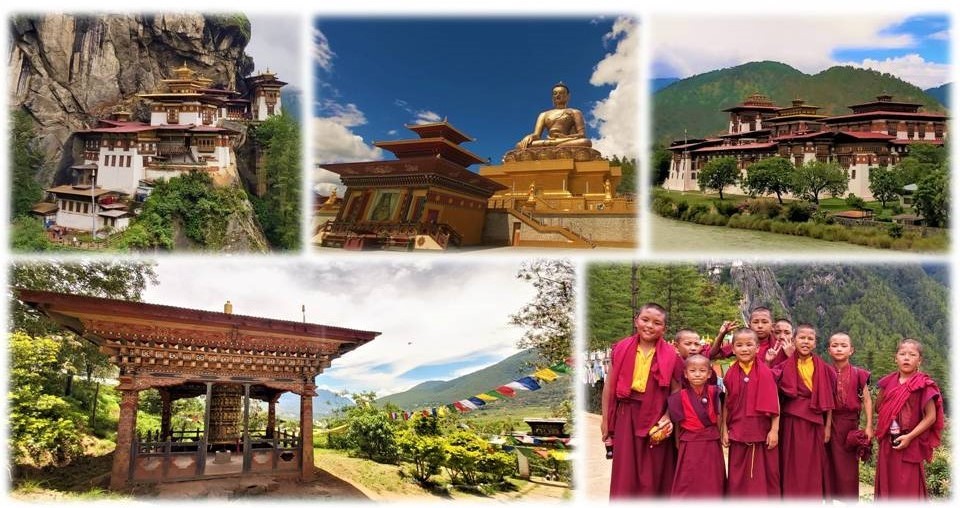
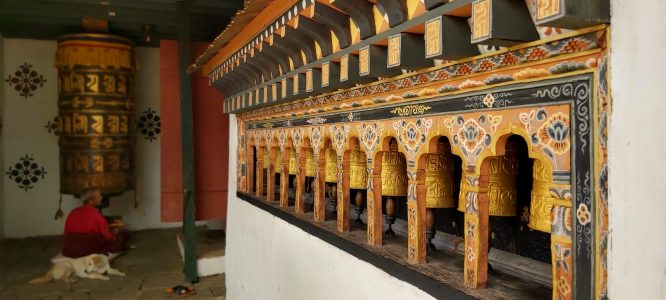
Bhutan has a great geographical diversity consisting of everything from lush plains to snowy peaks. The country stretches from subtropical valleys and plains to snow-capped mountain ranges. The unique architecture of Bhutan is largely traditional and one can sample it right from the arrival in Paro International Airport. The nation is also known for Dzong, a fortress that is the religious as well as the political centre and built by the unifier of the nation several centuries ago.UniqueHimalayan culture, centuries old sacred Buddhist monasteries, decorated corridors of old palaces and verdant valley views from ancient fortresses makes it quite popular travel destination.
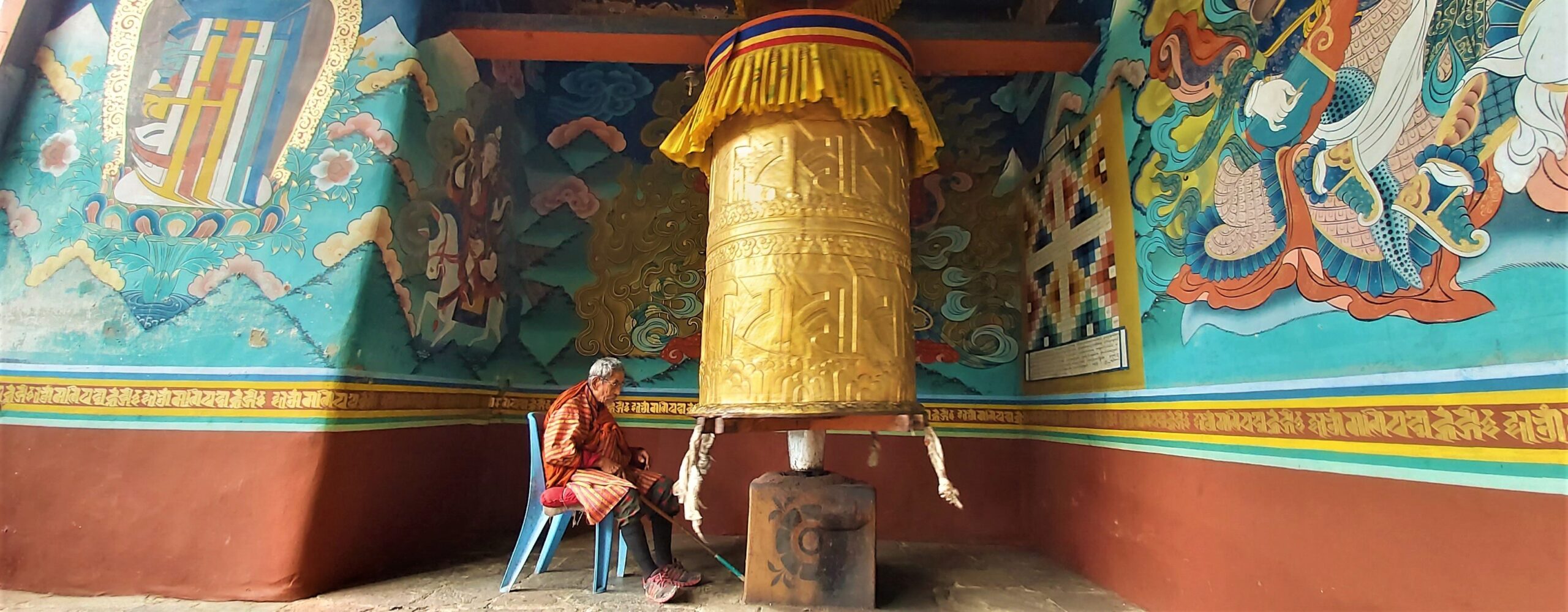
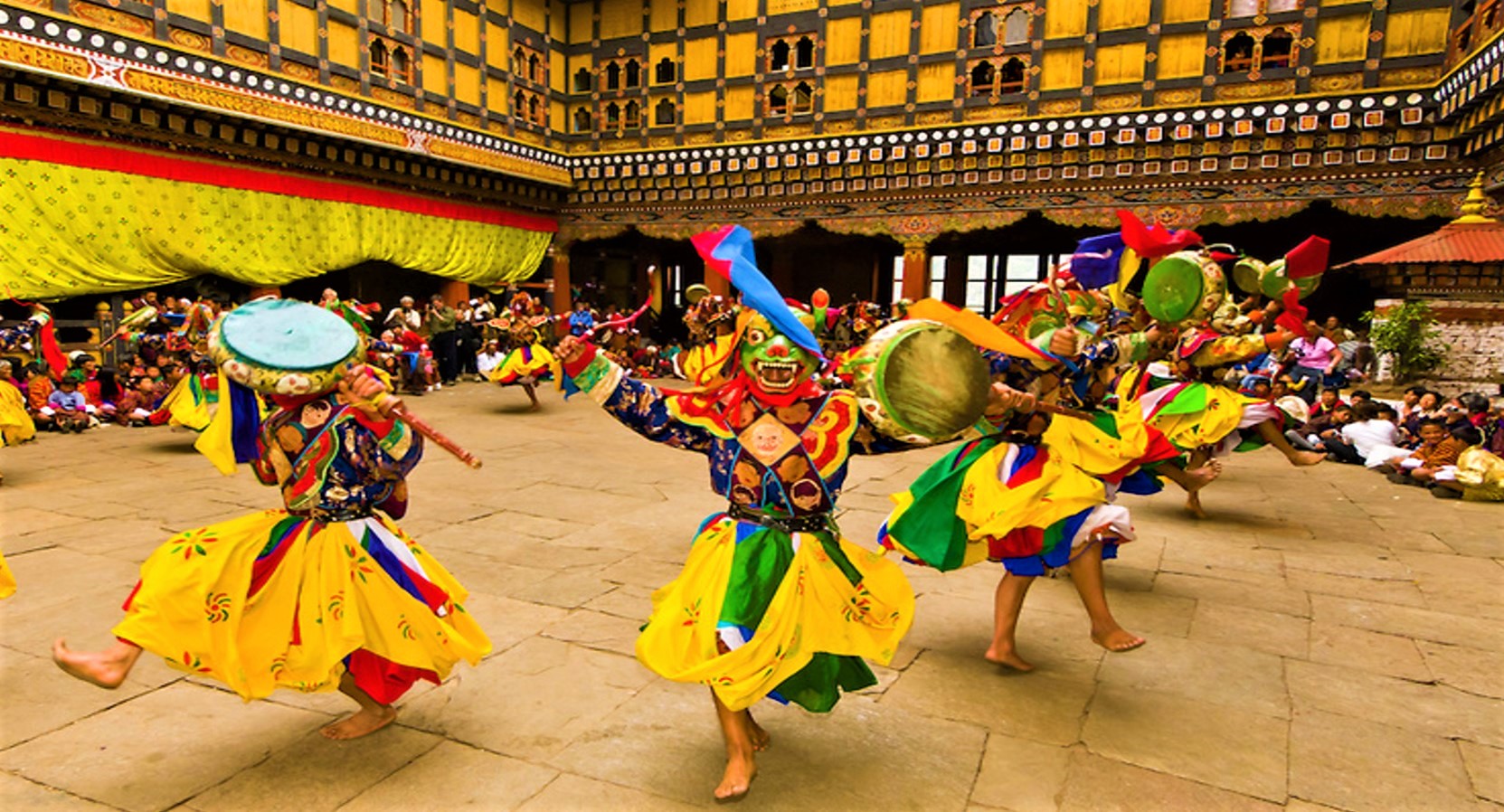
Its ancient cultural traditions have continued to grow despite the current technological restructuring.This secluded nation has a rich history embedded into the society that is displayed during the festival celebration.
The ultimate places to visit in Bhutan are:
Thimphu: The capital city, renowned for Tashichho Dzong, MotithangTakin Preserve, Memorial Stupa, Textile museum.
Paro: The city with the only international airport of the nation is renowned for Taktsang Palphug (Tiger’s Nest) Monastery, Rinpung Dzong, Ta Dzong (National Museum).
Punakha: It was the capital city until 1955, renowned for Chime Lhakhang (Fertility Temple) and the stunning Punakha Dzong.
Apart from the three cities, other major attractions are Gangtey valley, known for the black necked crane and Bumthang, where Buddhism first flourished in Bhutan. As Bhutanese revere the mountains, Gangkhar Puensum, Bhutan’s highest peak is also the highest unclimbed mountain in the world.
Isolated from the outside world for centuries, rich in heritage, culture and bio-diversity, Bhutan is referred to as the ‘Last Shangri La’ for its untouched natural resources.